





Asma
Pendahuluan dan Fakta
Asma adalah penyakit yang heterogen. Asma didefinisikan sebagai penyakit dengan riwayat gangguan pernapasan berupa batuk yang intensitasnya bervariasi dari waktu ke waktu, sesak napas, dada tertekan, disertai dengan hambatan aliran udara ekspirasi yang bervariasi. Menurut WHO tahun 2011, diperkirakan ada 235 juta penderita asma di dunia.
Patofisiologi
Patogenesis asma melibatkan 3 proses utama, yaitu inflamasi saluran napas, bronkiolus yang hiperresponsif, dan hambatan aliran udara yang intermiten. Proses inflamasi melibatkan T helper 2 serta interleukin 4 yang akan merangsang pembentukan IgE terhadap alergen. IgE akan melekat pada sel mast di saluran napas. Saat berkontak dengan alergen, sel mast yang telah tersensitisasi oleh IgE akan melepaskan mediator histamin, prostaglandin yang mengakibatkan reaksi hiperresponsif pada bronkiolus. Reaksi pada bronkiolous hiperresponsif berupa edema dan bronkokonstriksi, selanjutnya mengakibatkan hambatan aliran udara yang bervariasi intensitasnya.
Pada asma, terdapat reaksi lambat dan reaksi cepat pada saluran napas:
1. Reaksi cepat, timbul beberapa menit sampai 2 jam maksimum berupa pembebasan mediator reaksi alergi dari sel mast. Reaksi cepat terutama menyebabkan bronkospasme.
2. Reaksi lambat, timbul setelah 3-5 jam kemudian. Pada reaksi lambat ini juga terjadi spasme bronkus yang disertai dengan edema mukosa dan inflamasi saluran napas, mencapai maksimum setelah 4-8 jam dan menghilang setelah 8-12 jam atau lebih lama. Reaksi lambat ini berupa reaksi inflamasi peradangan saluran napas karena infiltrasi sel radang terutama sel eosinofil, hiperreaktivitas saluran napas dan bronkospasme. Peningkatan hiperreaktivitas saluran napas timbul 8 jam setelah perangsangan dengan alergen atau stimulus lain dan menetap atau bertambah berat sampai beberapa hari, bahkan dapat sampai beberapa minggu.
Gejala Klinis dan Komplikasi
Gejala asma yang paling umum adalah adanya suara wheezing/mengi saat bernapas. Gejala lainnya seperti sesak napas, nyeri dada, batuk kronik, hingga kesulitan tidur karena batuk atau mengi. Gejala asma, juga disebut asma kambuh atau serangan asma, sering disebabkan oleh alergi dan paparan alergen seperti bulu hewan peliharaan, tungau debu, serbuk sari atau jamur. Pemicu non-alergi termasuk asap, polusi atau udara dingin atau perubahan cuaca.
Anak-anak dengan asma dapat menunjukkan gejala yang sama seperti orang dewasa, seperti batuk, mengi, dan sesak napas. Pada beberapa anak, batuk kronik mungkin merupakan satu-satunya gejala.
Diagnosis
Pada anamnesis, pasien biasanya mengeluh gangguan bernapas yang sifatnya hilang timbul dengan empat gejala utama, yaitu batuk, sesak napas, dada tertekan, dan mengi. Gejala ini biasanya lebih sering atau lebih berat pada malam hari, udara dingin, atau dicetuskan oleh alergen tertentu misalnya tungau debu atau bulu hewan. Gejala juga bisa dicetuskan oleh infeksi saluran napas atau aktivitas fisik.
Pada pemeriksaan auskultasi pasien yang sedang mengalami gejala, dapat terdengar suara mengi saat ekspirasi.
Pada pemeriksaan spirometri, beberapa parameter fungsi napas pasien dapat diukur. Saat mengalami gejala asma, forced expiratory volume 1 detik FEV1 biasanya akan terukur lebih rendah. FEV1 adalah jumlah volume udara yang dikeluarkan pasien saat menghembuskan napas sekuat tenaga. Pasien dengan FEV1 rendah diberi obat bronkodilator; apabila setelah pemberian obat bronkodilator ada perbaikan lebih dari 12% dan 200 mL maka disebut bronchodilator reversibility positif dan menjadi dasar kuat diagnosis asma.
Pengobatan dan Perawatan
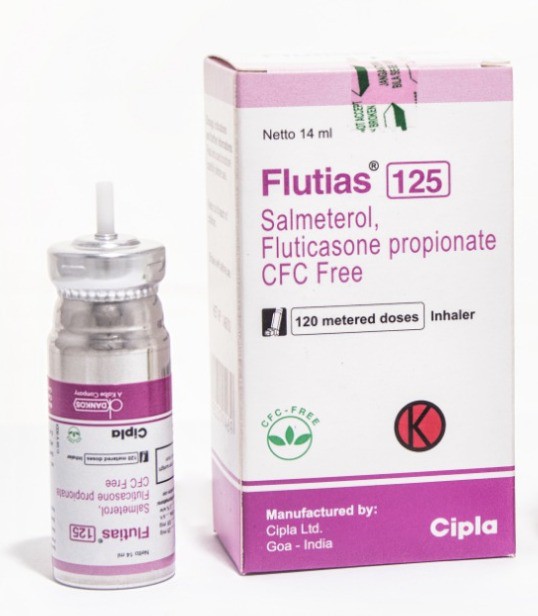
Tidak ada obat untuk asma, tetapi gejalanya dapat dikontrol dengan pengobatan dan manajemen asma yang efektif. Ini melibatkan minum obat sesuai petunjuk dan belajar untuk menghindari pemicu yang menyebabkan gejala asma. Pasien saat mengalami sesak berat dapat datang ke instalasi gawat darurat. Pengobatan untuk meredakan gejala serangan asma menggunakan obat reliever disesuaikan dengan beratnya serangan asma.
Pasien serangan ringan-sedang mampu berbicara dalam kalimat atau beberapa kata, duduk atau berbaring, dan saturasi oksigennya 90-95% udara. Pada serangan ringan tidak harus menggunakan ipratropium.
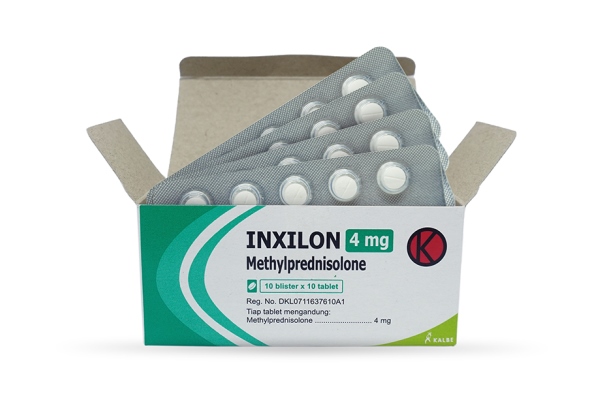
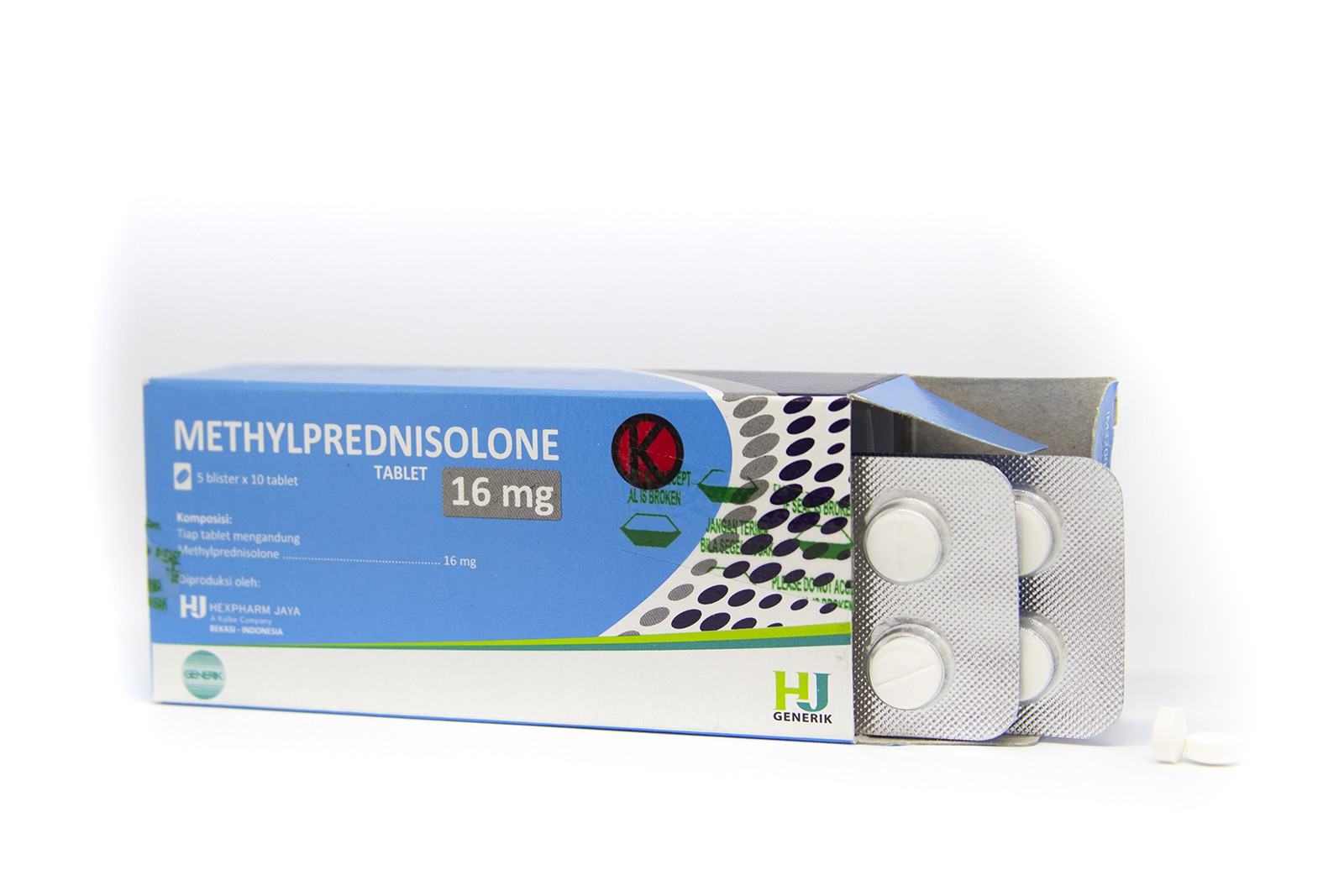
Pasien serangan berat berbicara sepatah kata, biasanya membungkuk, dan saturasi oksigennya kurang dari 90%. Apabila serangan sangat berat hingga ditemukan tanda gagal napas seperti gangguan kesadaran, sebaiknya dilakukan intubasi endotrakeal dan perawatan ICU. Pada serangan berat, gunakan Short Acting Beta2 Agonist SABA, ipratropium, pemberian oksigen dengan target saturasi oksigen 93-95%, kortikosteroid oral atau intravena, dan dapat dipertimbangkan magnesium intravena.
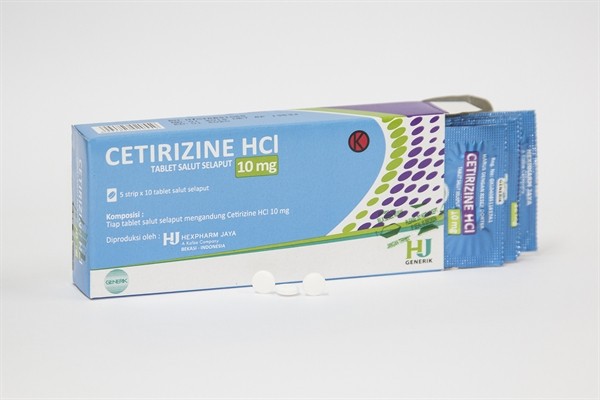
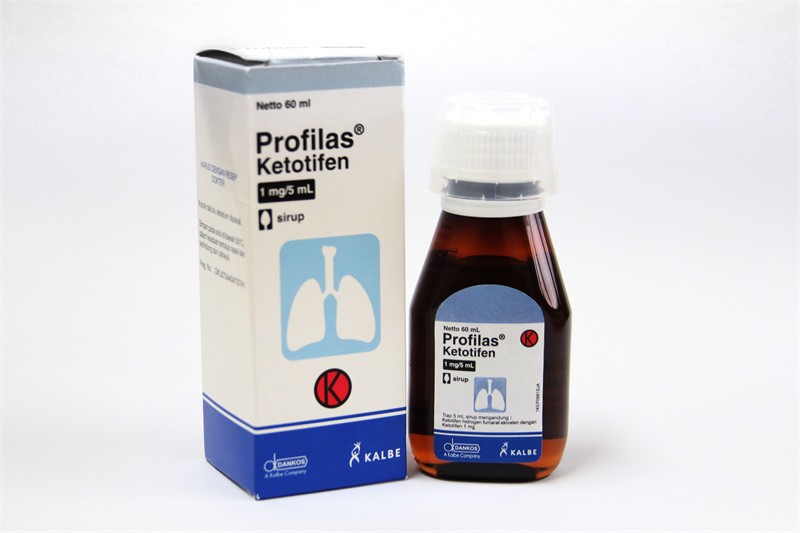
Banyak penderita asma juga memiliki alergi, sehingga dokter juga dapat melakukan tes alergi. Mengobati pemicu alergi yang mendasari asma akan sangat membantu penderita menghindari gejala asma.
Referensi:
1. Prihartanto D. Pilihan pengobatan pada serangan asma. CDK. 2016;437:541-3.
2. American Academy of Allergy Asthma & Immunology. Asthma [Internet]. 2019. Available from: https://www.aaaai.org/conditions-and-treatments/asthma