








Psoriasis
Introduction and Facts
Psoriasis is a chronic inflammatory skin disease characterized by erythematous plaques with silvery white scales. Plaques are often found on the skin of the elbows, knees, head and lumbosacral region, but can also appear on other parts of the body. Psoriasis can also attack the joints and eyes. About 10% of patients, especially women, experience psoriasis of the eyes, which generally almost always coincides with skin psoriasis.
Most people only experience psoriasis in the form of small plaques, but these plaques can feel itchy or sore. The severity of psoriasis varies from person to person. For some people, psoriasis will not bother them, but for others, psoriasis can be very disturbing and will affect the person's quality of life.
Psoriasis is a chronic disease that is usually characterized by periods of no symptoms or mild symptoms, which are then followed by periods of more severe symptoms.
Pathophysiology
Skin infiltration by activated T cells is thought to play a role in the process of psoriasis. These activated T cells stimulate keratinocyte proliferation. Dysregulation in keratinocyte turnover is what causes the formation of thick plaques. Other associated features include epidermal hyperplasia and parakeratosis. In addition, epidermal cells fail to secrete lipids so the skin becomes scaly and flaky, which is a characteristic feature of psoriasis.
Etiology and Risk Factors
Basically, psoriasis is thought to be a disorder of the immune system that causes skin cells to grow faster than normal. Until now the exact etiology of psoriasis is not known, but it is suspected that psoriasis is an autoimmune disease mediated by T lymphocytes. A human leucocyte antigen (HLA) antigen relationship has been found in many psoriasis patients, especially in various racial and ethnic groups. A family history of psoriasis indicates a genetic predisposition. Injuries such as mechanical, chemical and radiation trauma can trigger psoriasis lesions. Certain medications such as chloroquine, lithium, beta-blockers, steroids, and nonsteroidal anti-inflammatory drugs (NSAIDs) can worsen psoriasis. In general, psoriasis gets better in the summer and gets worse in the winter. Apart from the factors above, infection, psychological stress, alcohol, smoking, obesity and hypocalcemia are other factors that trigger psoriasis.
Signs and symptoms
Common signs and symptoms of psoriasis include:
- Scaly erythematous plaques that vary from person to person, ranging from scaly plaques like dandruff to large eruptions over most of the body
- The rash varies in color, tending to be purple with gray scales on dark or tan skin and pink or red with silver scales on fairer skin
- Small, scaled spots (commonly seen in children)
- Dry, cracked skin that may bleed
- Itching, burning, or stinging
- Cyclical rashes that recur over several weeks or months and then disappear
Diagnosis
The diagnosis of psoriasis is determined based on the history, physical examination, and if necessary, supporting examinations will be carried out. Psoriasis appears as well-defined erythematous plaques with silvery scales covering the scalp and extensors of the extremities, especially the elbows, knees and lumbosacral region. Psoriasis is classified into two types, namely type 1 and type 2 psoriasis. In type 1 psoriasis, it is found that there is a family history of psoriasis that begins before the age of 40 years and is related to HLA-Cw6. This is different from type 2 psoriasis, which has no family history, appears after the age of 40 years, and is not related to HLA-Cw6. Lesions in psoriasis vary, both in shape and location. Any injury to the skin due to mechanical, chemical or radiation trauma will trigger psoriatic lesions at that location, known as the Koebner phenomenon. When the surface of the lesion is gently scratched, the scale will fall like wax, this is known as the wax spot phenomenon. In addition, the discovery of bleeding points after peeling off scaly plaque is known as the Auspitz sign. Koebner's phenomenon, wax spot phenomenon, and Auspitz sign are signs used to confirm the diagnosis clinically.
After taking an anamnesis and finding typical signs on physical examination, supporting examinations can also be carried out if necessary. Supporting examinations such as skin biopsies are carried out only in certain cases and usually this rarely happens. A biopsy is performed by taking a small sample of the skin which is then examined under a microscope to confirm the diagnosis and differentiate it from other skin conditions.
Medication and Treatments
In psoriasis, the treatment aimed at stopping the rapid growth of skin cells and eliminating scale. Some treatment options for psoriasis include topical therapy (ointments and creams), light therapy (phototherapy), and medication (oral or intravenous).
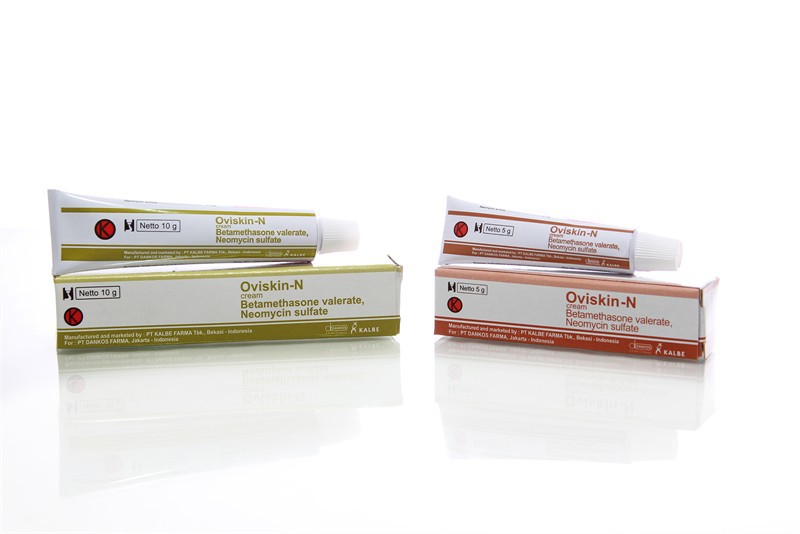
Topical therapy is used in mild to moderate psoriasis. Emollients and moisturizers can help improve skin barrier function and maintain hydration of the stratum corneum. Topical agents used are coal tar, dithranol, corticosteroids, vitamin D analogues, and retinoids as initial treatment.
Light therapy is the first line of treatment for moderate to severe psoriasis, either alone or in combination with medication. Light therapy involves exposing the skin to controlled amounts of natural or artificial light. This procedure needs to be done repeatedly. Phototherapy includes PUVA therapy which combines psoralen with exposure to ultraviolet light (UVA), as well as NBUVB (Narrowband UVB light) with a range of 311 nanometers to 313 nanometers. NBUVB is also equally effective without the side effects of psoralen, such as digestive disorders, cataract formation, and carcinogenic effects. This procedure is safe for children, pregnant and breastfeeding women, and even elderly patients.
Systemic medications are used in extensive cases, such as nail involvement and psoriatic arthritis. Methotrexate, retinoids, cyclosporin, and fumarate are possible options. Routine blood tests, liver function, and kidney function should always be monitored in patients undergoing systemic therapy.
Patients with psoriasis should avoid all types of skin trauma for fear of triggering Koebner phenomenon. In addition, psoriasis patients should avoid using beta-blockers, chloroquine, or NSAIDs, and avoid consuming alcohol because of the risk of fatty liver.
References:
- Nair PA, Badri T. Psoriasis. National Library of Medicine [Internet]. 2023 [cited 2024 Mar 19]. Available from:https://www.ncbi.nlm.nih.gov/books/NBK448194/
- National Health Service UK. Psoriasis [Internet]. 2022 [cited 2024 Mar 22]. Available from: https://www.nhs.uk/conditions/psoriasis/
- Mayo Clinic. Psoriasis [Intenet]. 2024 [cited 2024 Mar 22]. Available from:https://www.mayoclinic.org/diseases-conditions/psoriasis/symptoms-causes/syc-20355840
- Kementerian Kesehatan RI. Psoriasis [Internet]. [cited 2024 Mar 22]. Available from:https://ayosehat.kemkes.go.id/topik-penyakit/ptm-lainnya/psoriasis