









Dispepsia
Introduction and Facts
Dyspepsia is another word for indigestion. People with chronic digestive disorders often experience symptoms of stomach pain, excessive fullness, and bloating during and after eating. Other common symptoms include acid reflux, heartburn, and excessive belching. These symptoms resemble peptic ulcer disease, but when examined, only 1/3 of people suffer from ulcers, while the other 2/3 suffer from functional dyspepsia.
Functional disorders are ongoing disturbances in body function that cannot be explained by physical or mechanical causes. Gastrointestinal diseases are often "functional" and not structural, so sometimes the cause is not known for certain.
Functional dyspepsia is considered one of the most common functional disorders. An estimated 10% to 20% of people who seek medical attention for symptoms may suffer from functional dyspepsia. However, because many people never seek medical help for their symptoms, the number of sufferers may be much higher than is known.
Classifications
Functional dyspepsia is divided into 2 categories, namely:
- Epigastric pain syndrome (EPS) simply refers to symptoms associated with upper abdominal pain and burning.
- Postprandial distress syndrome (PDS), which is characterized by symptoms of food-induced dyspepsia, such as discomfort, pain, nausea and a feeling of fullness.
Not all symptoms experienced by everyone fall into these two categories, but if the symptoms experienced fall into these two categories, it will make it easier for medical personnel to focus on treating these symptoms based on their classification.
Etiology
The term "digestive disorders" indicates a disturbance in the digestive process. Currently, experts have not found a clear cause of functional dyspepsia, but there are several possible causes as follows:
- Gastric emptying disorders. When eating, the stomach usually expands to accommodate food, but in some people this function may be disrupted, causing a constant feeling of fullness. The signal that tells the stomach to empty food into the small intestine may also be disrupted (gastroparesis). This can cause food reserves, gas buildup, and bacteria to multiply too much when food stays in the stomach for too long.
- Food allergies. Undiagnosed food allergies can cause an inflammatory response in the gut. Some people with food allergies have higher white blood cell counts, indicating an active gut immune system. An allergic response can explain symptoms of nausea, gas, and inflammation.
- Helicobacter pylori infection. This common bacterial infection can cause chronic inflammation (gastritis) in some people, as well as erode the mucosal lining that protects the stomach from stomach acid. H. pylori infection can cause various side effects, so an H. pylori test will be carried out if no cause is found for the symptoms you are experiencing. Additionally, some individuals with food allergies tend to improve after being treated for H. pylori infection.
- Visceral hypersensitivity. Some people's nervous systems are so sensitive that they have physical responses to stress and emotional factors. Some of these people may also have visceral hypersensitivity, which means that regular expansion and contraction of the digestive organs feels excessive or uncomfortable.
Symptoms
Symptoms of dyspepsia usually come and go without any definite cause and it is difficult to determine what factors reduce or increase the symptoms of dyspepsia. Although functional dyspepsia is chronic, it may disappear for a while and then reappear for no known reason. To be able to make a diagnosis, there are several symptoms that have occurred in the last three months and continuously for at least six months as follows:
- Epigastric pain. Pain in the middle of the upper abdomen below the ribs. The stomach, small intestine, pancreas and liver are located in this region which is called the epigastric region
- Bloated. An uncomfortable feeling of pressure or fullness in the stomach, especially after eating
- Early satiety or loss of appetite. Feeling “full” very quickly after or during meals
- Heartburn. This is a burning pain in the area between the stomach and esophagus, usually caused by acid reflux
- Acid reflux. Gastric acid exits the stomach through the esophagus, causing a burning sensation and often a sour taste in the mouth
- Nausea and vomiting. In severe cases, feelings of fullness and loss of appetite can progress to nausea or vomiting.
Risk Factors
There are several factors that increase the risk of functional dyspepsia, such as:
- A history of anxiety or depression
- Experiencing harassment or violence in the past
- Have a history of H. pylori infection
- Use of NSAIDs (nonsteroidal anti-inflammatory drugs)
- Smoking or using tobacco products
- Female
Diagnosis
Making a diagnosis of dyspepsia is preceded by anamnesis and physical examination. A dyspepsia history includes questions related to symptoms, onset of symptoms, complaints that worsen or reduce dyspepsia symptoms, and several other questions related to previous medical history, such as diseases of the digestive tract or cardiovascular system. Don't forget to ask questions about your history of previous drug consumption.
After the history, a thorough physical examination continues. On physical examination, you need to pay attention to the presence of paleness or diaphoresis, cachexia, or jaundice. Abdominal palpation is carried out to determine the presence of tenderness, masses and organomegaly. A rectal examination is performed to detect the presence of blood or occult blood.
It is important to remember to pay attention to the clinical picture of dyspepsia, which sometimes overlaps with other gastrointestinal diseases or non-gastrointestinal diseases.
Other gastrointestinal diseases:
- Upper gastrointestinal tract GERD, functional heartburn, idiopathic nausea
- Lower gastrointestinal tract irritable bowel syndrome
Non-gastrointestinal diseases:
- Heart disease such as: ischemia, atrial fibrillation
- Fibromyalgia somatic pain syndrome, chronic fatigue syndrome, interstitial cystitis/bladder pain syndrome, and overactive bladder.
Apart from the history and physical examination, several supporting examinations can be carried out to help with the diagnosis. Supporting examinations carried out are:
- Blood tests to check for infections and common illnesses that may occur
- Upper abdominal endoscopy to see if there are problems with the structure of the internal organs
- Breath examination or breath test to check for abnormal bacteria in the intestines. A urea breath test can be done to detect H. pylori infection, while a hydrogen breath test can detect small intestinal bacterial overgrowth (SIBO).
- Gastric emptying studies to see how quickly the stomach empties
Medication and Treatment
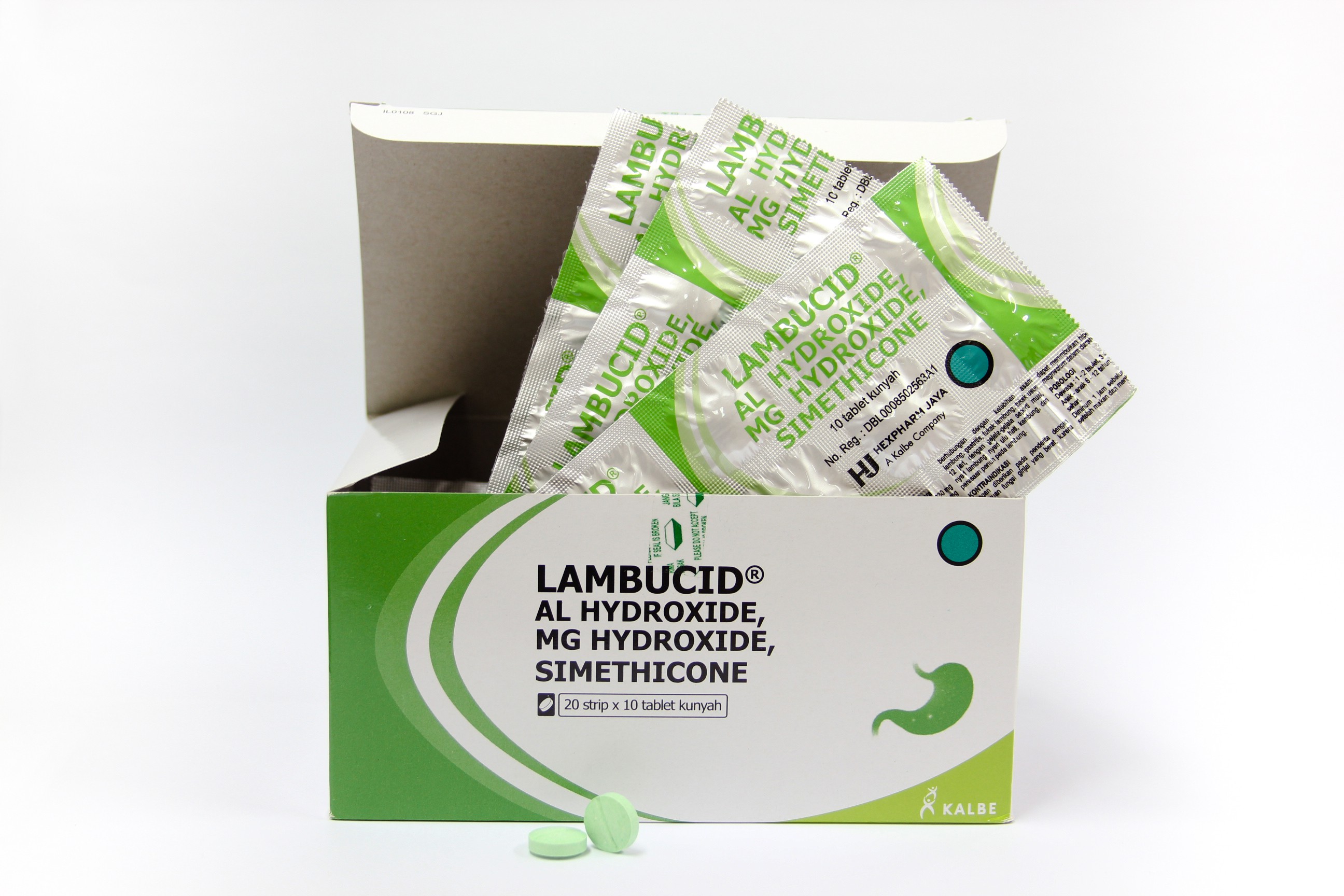
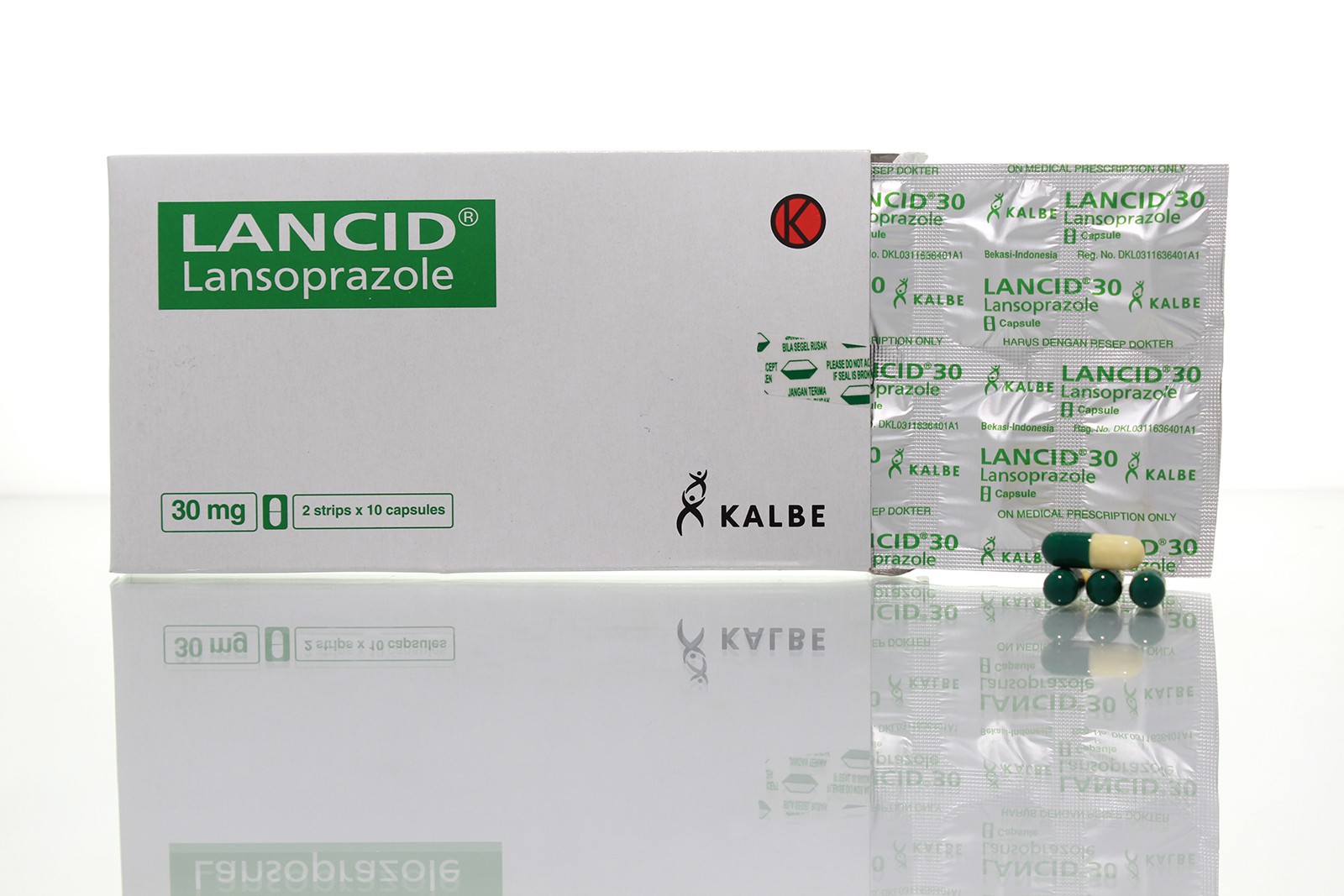
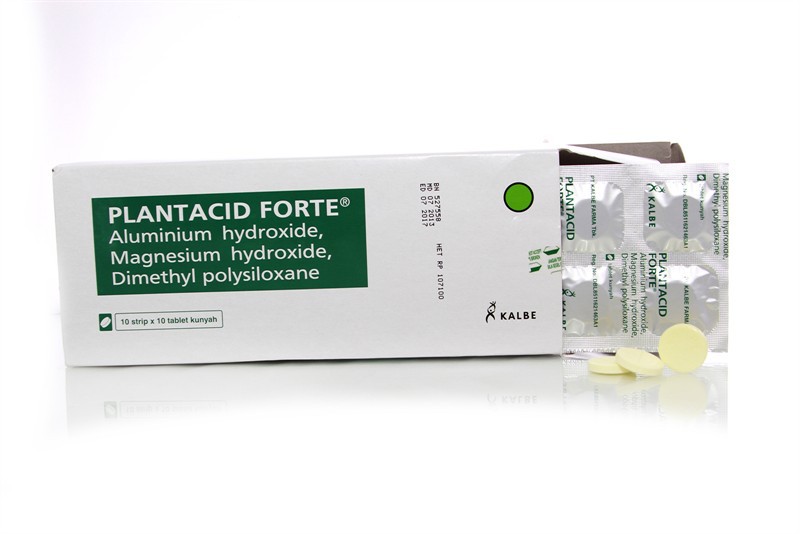
Therapy for dyspepsia is given according to the cause. Antibiotics are given if it is proven that the cause of the symptoms experienced is a bacterial infection. However, in persistent functional dyspepsia, there are several drugs given to reduce the symptoms, such as:
- Gastric acid suppressants to suppress or neutralize stomach acid. Common prescription medications include proton pump inhibitors (PPIs) and H2 receptor blockers. These will usually be prescribed for two or three months and then re-evaluated
- Prokinetics to help gastric motility. These medications help encourage the stomach to empty food into the small intestine without holding it for too long, and reduce the occurrence of reflux
- Antidepressants treat psychological disorders, speed gastric emptying and manipulate pain perception
Apart from administering medication, there are several non-medical therapies that can help overcome the symptoms experienced, namely:
- Behavioral therapy using relaxation techniques or psychotherapy can help the nervous and digestive systems become more regular
- Lifestyle changes by exercising, losing weight, getting enough rest, and managing stress well can improve the symptoms experienced
- Change your eating pattern by eating small portions and chewing longer, as well as paying attention to foods that trigger dyspepsia symptoms
References:
- Cleveland Clinic. Functional Dyspepsia [Internet]. 2022 [cited 2024 Jan 30]. Available from: https://my.clevelandclinic.org/health/diseases/22248-functional-dyspepsia
- BMJ Best Practice. Evaluation of Dyspepsia [Internet]. 2023 [cited 2024 Jan 30]. Available from: https://bestpractice.bmj.com/topics/en-us/769