Iron is an important element in various cellular processes, and plays a role in metabolism and cell growth. Iron abnormalities can induce free radical production and further cell damage, and high iron levels act as a nutrient to promote tumor cell proliferation. In cancer conditions, cells change the way iron is metabolized, resulting in high iron consumption by cells.
Most cancer patients have a low level of iron metabolism and this can affect the patient's prognosis. Therefore, it is important to maintain iron metabolism in normal conditions, so that it does not become a boomerang that is detrimental to cancer conditions.
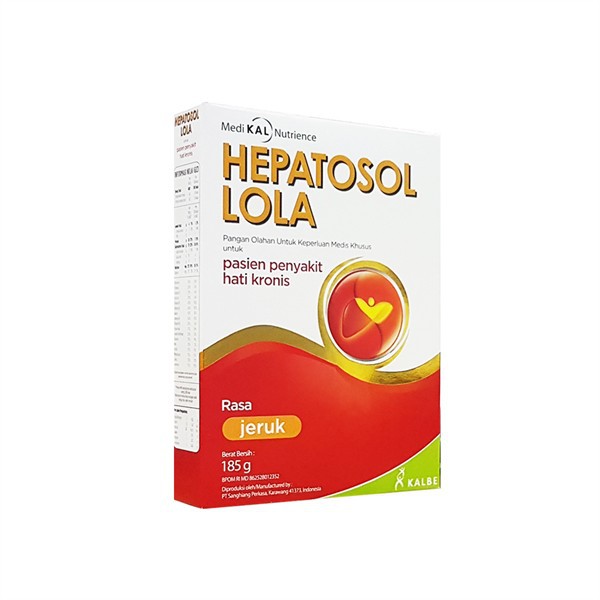
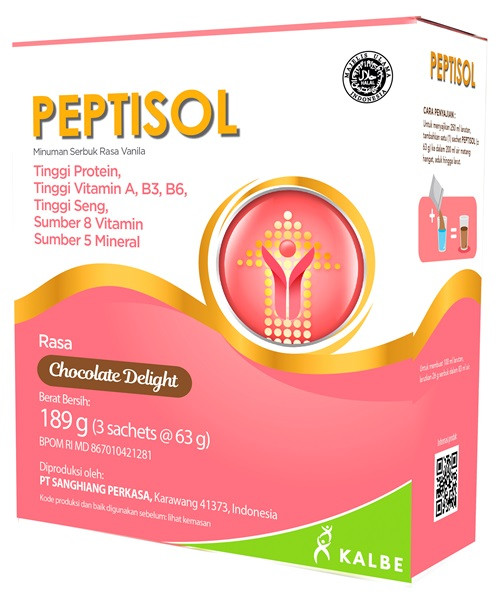
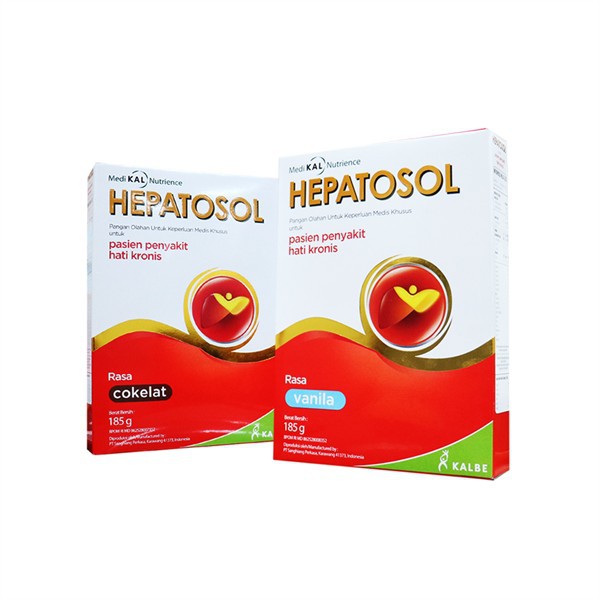
The following research aims to determine the benefits of oral nutritional supplementation (ONS) in lung cancer patients undergoing chemotherapy by regulating iron metabolism. This research contributes to understanding the relationship between ONS and iron metabolism in cancer patients and provides new ideas for improving the nutritional status of cancer patients by regulating iron metabolism.
A total of 90 lung cancer patients were selected and then divided into 2 groups. The control group was given a routine inpatient diet (target intake of 25 kcal/kgBW and protein 1 g/kgBW) and the supplement group was given ONS based on the routine inpatient diet (target expected daily nutritional intake in the ONS group was 500 kcal energy, 58.5 g carbohydrates, 20.4 g protein, and 19.3 g fat per two ONS packet). The nutritional intervention lasted for 2 weeks. Changes in iron metabolism, nutritional status, and inflammatory indicators in the two groups were compared.
The results after 2 weeks are as follows:
· Albumin and pre-albumin levels in the ONS group increased more significantly than in the control group
· Inflammatory factors (TNF-α, IL-6, and CRP) were significantly decreased in the ONS group
· Hemoglobin (Hb), iron saturation (SI), and total iron-binding capacity (TIBC) levels in the ONS group were higher than those in the control group, while serum ferritin (SF) levels were significantly reduced
Conclusion:
The results of this study concluded that ONS supplementation can improve iron metabolism, nutritional status, and the degree of inflammation. It is speculated that the reduction in various inflammatory factors that occurred in patients may be due to changes in iron metabolism, thereby improving nutritional status. The results of this research may be taken into consideration in determining new targets in cancer therapy in the future.
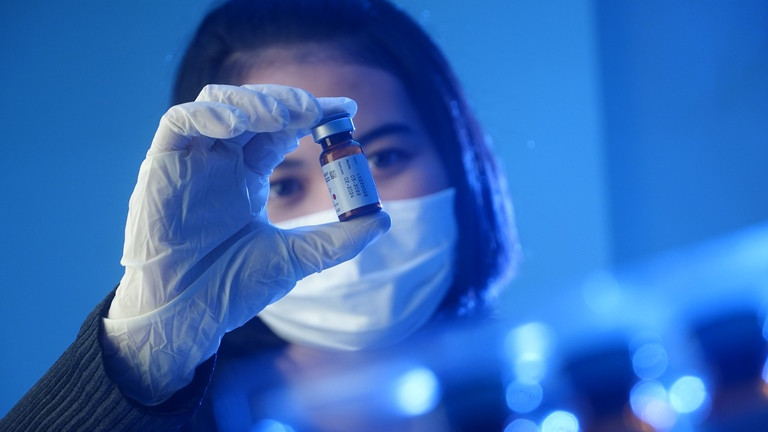
Image: Illustration (Source: Freepik)
References:
Xuelong Li, Changxing Cui, Wenjing Gong, Guangrun Li, Song F, Huang P. Oral nutrition supplement improves nutrition and inflammation of cancer patients by regulating iron metabolism, International Journal of Food Properties 2023; 26(1):1304-10, DOI: 10.1080/10942912.2023.2215967