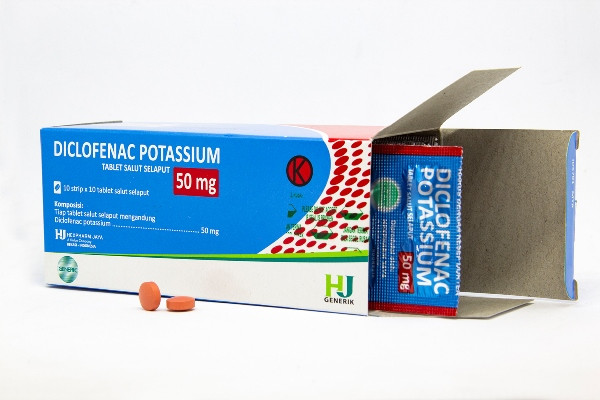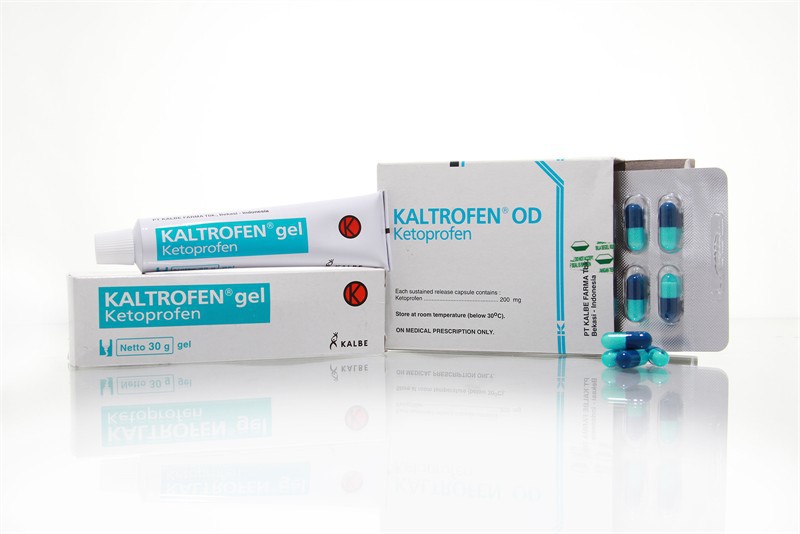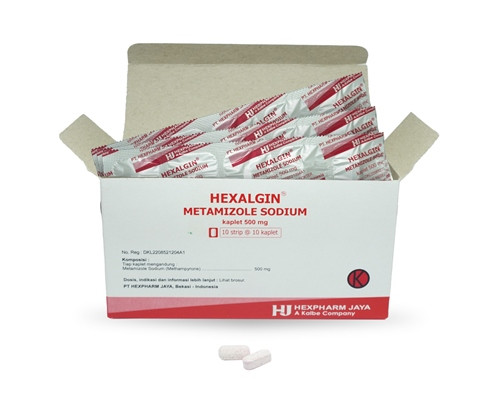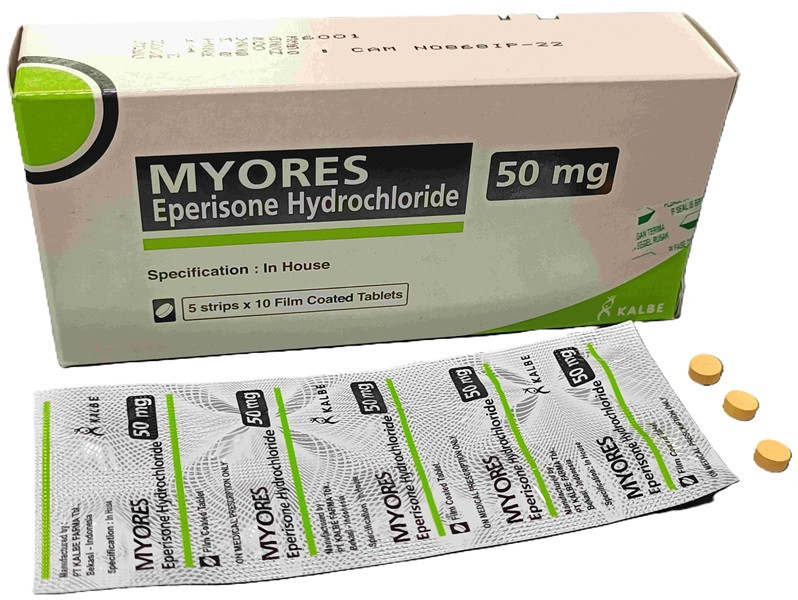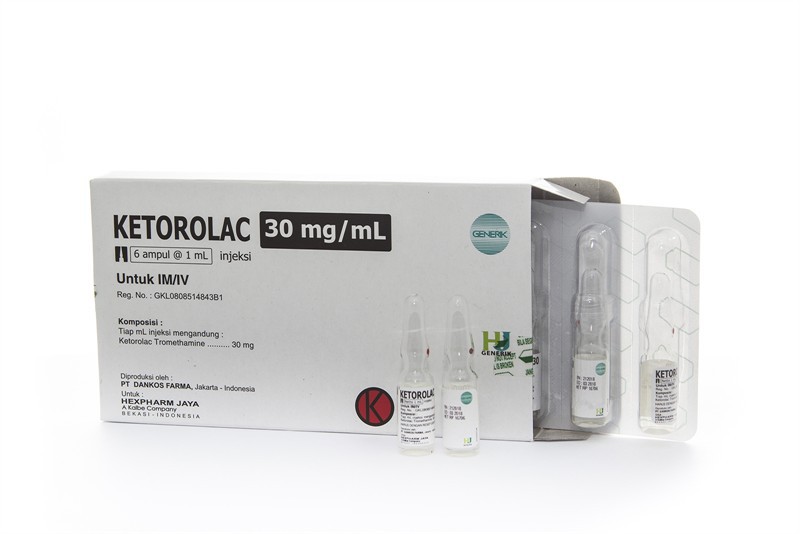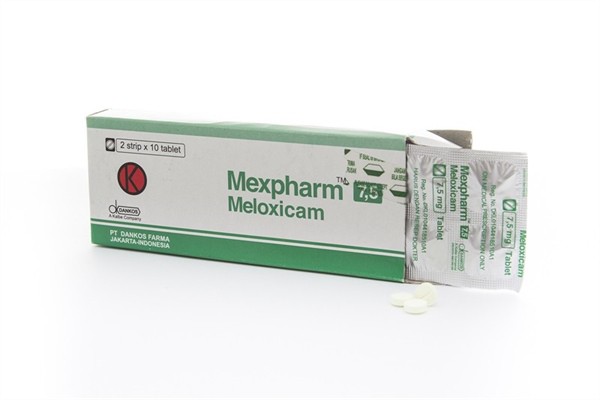

Endometriosis menyerang 10 – 15% wanita usia reproduktif dan merupakan penyebab terbesar gejala nyeri pelvis kronik pada wanita. Nyeri endometriosis umumnya timbul akibat kerusakan jaringan di lokasi lesi, hal ini berkorelasi dengan derajat infiltrasi lesi ke jaringan. Pilihan terapi di antaranya obat-obatan anti inflamasi non-steroid (AINS), kontrasepsi oral kombinasi (KOK) dosis rendah, progestin, agonis gonadotropin-releasing hormone (GnRH), dan antagonis GnRH.
Penelitian meta-analisis membandingkan tatalaksana medis endometriosis dan mengurutkan berdasarkan efektivitas tertinggi dalam meredakan gejala nyeri endometriosis. Meta-analisis ini melibatkan 36 penelitian RCT (n=7942) yang meneliti efektivitas beberapa regimen pengobatan endometriosis pada wanita dewasa dengan gejala nyeri pelvis kronik akibat endometriosis. Studi tersebut membandingkan gestrinone dan danazol; membandingkan mifepristone dengan dosis berbeda (2,5; 5; 10 mg) dengan plasebo; membandingkan letrozole dengan aromatase inhibitor dan danzol; membandingkan analog GnRH berupa nafarelin, goserelin, leuprolide acetate, dan triptorelin; mengevaluasi penambahan add-back hormonal therapy pada pemberian agonis GnRH; membandingkan elagolix (75, 150, dan 200 mg) dengan GnRH antagonis dan plasebo atau medroxyprogesterone acetate subkutan (DMPA-SC); membandingkan DMPA-SC dengan dienogest dan levonorgestrel-releasing intrauterine system (LNG-IUS); dan mengevaluasi pemberian KOK pada endometriosis.
Hasil skor visual analog scale (VAS) nyeri pelvis dalam 3 bulan menunjukkan bahwa pemberian terapi dienogest, KOK, elagolix 150 mg, elagolix 250 mg, dan KOK menunjukkan resolusi nyeri terbaik. Jika diurutkan berdasarkan yang terbaik berdasarkan skor p, maka dienogest menunjukkan resolusi terbaik, diikuti dengan KOK, elagolix 150 mg, kemudian elagolix 250 mg. Skor VAS setelah 6 bulan ditampilkan pada beberapa studi berupa perbandingan plasebo, GnRH analog, LNG-IUS, dan dienogest. Urutan dari hasil resolusi terbaik berdasarkan skor p yang tertinggi adalah GnRH analog, diikuti dengan LNG-IUS, dienogest, desogestrel, dan yang terakhir yaitu plasebo.
Perubahan skor dismenorea pada bulan ke-3 menunjukkan bahwa GnRH analog secara signifikan memperbaiki skor dismenorea dibandingkan danazol, elagolix (250, 150, dan 75 mg), DMPA-SC, dan plasebo. DMPA-SC dan elagolix juga signifikan memperbaiki skor dismenorea jika dibandingkan dengan plasebo. Urutan efektivitas tertinggi berdasarkan skor p dalam 3 bulan dipimpin oleh GnRH analog, diikuti oleh danazol, elagolix 150 mg, dan elagolix 250 mg. Perubahan skor dismenorea setelah 6 bulan terapi menunjukkan bahwa KOK dan GnRH analog menurunkan skor secara signifikan dibanding seluruh dosis elagolix, GnRH dengan add-back therapy, DMPA-SC, danazol, dan plasebo. Elagolix dengan dosis 250 mg dilaporkan lebih baik dibandingkan dosis 150 dan 75 mg, juga lebih baik dibandingkan danazol dan plasebo dalam mereduksi skor dismenorea. Urutan tertinggi berdasarkan skor p dipimpin oleh KOK, diikuti GnRH analog, elagolix 250 mg, GnRH analog dengan add-back therapy, desogestrel, dan DMPA-SC.
Hasil penelitian parameter skor nyeri pelvis non-menstrual menunjukkan hasil efektivitas terbaik berdasarkan skor p adalah GnRH analog, diikuti elagolix 150 mg, elagolix 75 mg, DMPA-SC, plasebo, dan yang terakhir yaitu danazol. Setelah 6 bulan, urutan efektivitas tertinggi adalah desogestrel, diikuti dengan KOK, elagolix 250 mg, elagolix 150 mg, elagolix 75 mg, DMPA-SC, plasebo, kemdudian diikuti dengan dienogest, GnRH analog, GnRH analog dengan add-back therapy, dan yang terakhir danazol.
Beberapa penelitian menilai penggunaan kembali agen analgesik dalam 3 bulan terapi. Penggunaan dienogest dan elaolix 250 mg disebutkan paling banyak dikaitkan dengan penggunaan analgesik dibandingkan dengan elagolix 150 mg dan plasebo. Rekurensi gejala nyeri juga dibandingkan pada beberapa studi dengan hasil yang tidak menunjukkan perbedaan signifikan. Namun, jika diurutkan berdasarkan urutan terbaik, GnRH analog memiliki rekurensi nyeri terendah dibandingkan dengan gestrinone dan danazol. Penghentian terapi karena efek samping dilaporkan pada beberapa penelitian dan dibandingkan dalam 2 network meta-analisis (NMA). Urutan terbanyak penghentian terapi akibat efek samping dipimpin oleh plasebo, kemudian dilanjutkan dengan elagolix 150 mg, elagolix 75 mg, elagolix 250 mg, dienogest, GnRH analog, DMPA-SC, dan yang terbaik adalah KOK. NMA kedua membandingkan 3 regimen terapi dengan urutan yang terbaik adalah gestrinone, dilanjutkan dengan danazol, dan GnRH analog sebagai yang terburuk dalam penghentian terapi akibat efek samping.
Perbaikan QoL juga dilaporkan, 2 studi menyatakan bahwa medroxyprogesterone acetate dan leuprolide acetate terbukti meningkatkan QoL dengan meredakan nyeri terkait endometriosis. Dienogest juga dikaitkan dengan perbaikan QoL yang lebih baik dibandingkan leuprolide acetate dan plasebo. Penelitian lain menyebutkan bahwa GnRH analog, terapi diet, dan kontrasepsi monofasik oral memberikan perbaikan QoL yang signifikan dibandingkan plasebo. Penelitian mengenai elagolix juga menyebutkan elagolix dalam dosis 150 mg dan 250 mg memberikan perbaikan QoL.
Berdasarkan hasil meta-analisis tersebut, disimpulkan bahwa terapi medis nyeri akibat endometriosis yang memiliki efektivitas tertinggi dipegang oleh KOK, dilanjutkan dengan GnRH analog, progesterone, dan elagolix. Selain itu, penelitian ini tidak menunjukkan adanya manfaat penggunaan dari AINS.
Gambar: Ilustrasi (Photo by Ivan Samkov from Pexels)
Referensi:
Samy A, Taher A, Sileem SA, Abdelhakim AM, Fathi M, Haggag H, et al. Medical therapy options for endometriosis related pain, which is better? A systematic review and network meta-analysis of randomized controlled trials. Journal of Gynecology Obstetrics and Human Reproduction. 2020;50(1):101798.