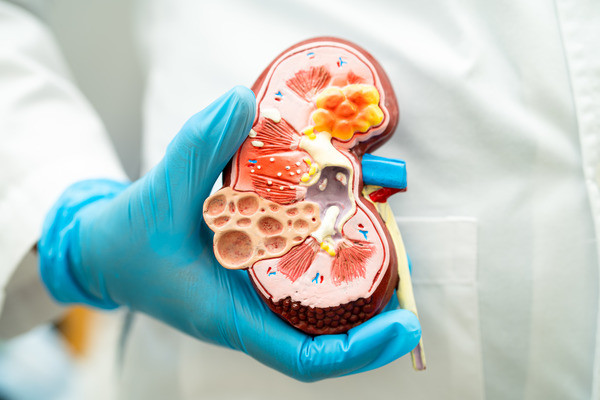
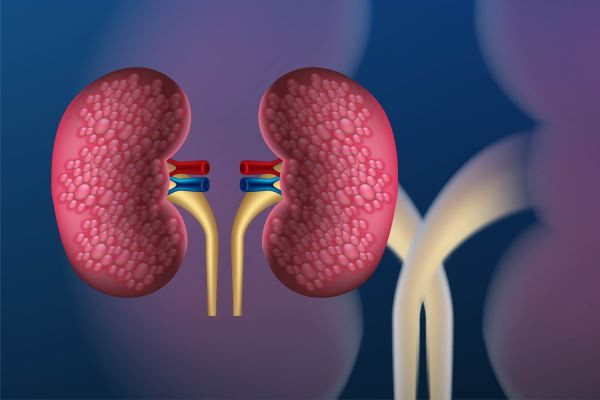
The kidneys are one of the organs that have an important role in maintaining the balance of the human body, including in terms of fluid balance and electrolyte levels, preventing the accumulation of metabolic waste substances in the blood vessels, producing the hormone erythropoietin which functions to stimulate the bone marrow to produce red blood cells, as well as producing the enzyme renin which plays an important role in controlling blood pressure and producing the active form of vitamin D which is beneficial in maintaining bone health.
In addition to affecting the kidneys, kidney disease will affect the health of other organ systems, such as the lungs, heart, brain, and others, which can worsen the body's health condition. According to PERNEFRI in 2011, kidney damage can be characterized by a decrease in glomerular filtration rate (LFG) ≤60 mL/min/1.73 m, at least within 3 months. If this condition of decreased kidney function has occurred for several months or even years, it is called chronic kidney disease.
According to Basic Health Research (Riskesdas) data in 2018, the prevalence of chronic kidney disease in Indonesia in 2013 was 499,800 people (0.2%), and in 5 years in 2018 there was an increase to 713,783 people (0.38%). Risk factors for chronic kidney disease include diabetes mellitus, hypertension, SLE (lupus), polycystic kidney disease, urinary tract infections, obesity, obstruction of the urinary tract, chronic glomerulonephritis (infection of the kidney glomerulus), and nephrotoxicity (the effect of consuming drugs that have an adverse effect on kidney health).
Given the important role of the kidneys in our health, we should take care of our health and prevent chronic kidney disease.
1. Consume Enough Water
The need to consume enough water can help the kidneys in excreting sodium, urea, and other metabolic waste substances, thus reducing the risk of chronic kidney disease. In addition to the amount of water drunk, which is 6-8 glasses of water a day, it is also necessary to pay attention to the quality of water consumed, because it is very good and effective in maintaining kidney health.
2. The importance of maintaining stable blood sugar and blood pressure levels
In some cases, complications of diabetes mellitus can cause kidney damage, leading to chronic kidney disease. Therefore, people with diabetes mellitus are advised to check blood sugar levels regularly in the hope of preventing early the possibility of kidney damage complications. Blood pressure also needs serious attention, especially in patients with high blood pressure, because high blood pressure can not only lead to heart attacks and strokes, but also damage to the kidneys.
3. Reduce Salt Consumption and Consume Healthy Foods
To reduce the risk of increasing blood pressure, it is necessary to maintain sodium consumption that does not exceed 2,300 mg / day. Efforts can be made by limiting the consumption of processed fast food products that have high sodium levels. In addition, make it a habit to consume foods that are healthy and have a balanced composition of nutritional values.
4. Healthy Lifestyle
In addition to healthy food consumption, exercise also needs to be done. A healthy body condition that is always fit can reduce the risk of developing diseases, one of which is chronic kidney disease. In addition, stop smoking. Smoking can slow down blood flow to the kidneys, which if it continues to occur can damage the ability of kidney function.
8. Avoid Regular Consumption of Anti-Pain Medications
Consuming NSAID (Non-Steroidal Anti-Inflammatory Disease) painkillers such as ibuprofen, dicophenal sodium and others regularly for a long time can cause kidney damage. For people with arthritis or other chronic diseases that require regular consumption of painkillers, they must monitor their kidney function and regularly consult with their doctor.
9. Regular Health Checks
Routinely should do health checks such as blood pressure, blood sugar, kidney function, and others, so that it can be handled more quickly if there are complaints or examination results that are not appropriate.
Image: Illustration (Source: WangXiNa-Freepik)
References:
1. Kementerian Kesehatan. Tips jaga kesehatan ginjal [Internet]. 2022 Aug 02 [cited 2024 Mar 13]. Available from: https://yankes.kemkes.go.id/view_artikel/846/tips-jaga-kesehatan-ginjal.
2. Kementerian Kesehatan. Memelihara ginjal tetap sehat [Internet]. 2016 Mar 10 [cited 2024 Mar 13]. Available from: https://sehatnegeriku.kemkes.go.id/baca/blog/20160310/1414445/memelihara-ginjal-tetap-sehat/.
3. National Kidney Foundation. 6-step guide to protecting kidney health [Internet]. cited 2024 Mar 13]. Available from: https://www.kidney.org/atoz/content/sixstepshealthprimer.