
Reactive oxygen species (ROS) play an important role in inflammation and neuropathic pain, while antioxidants (ROS scavengers) exhibit potent antinociceptive effects. ROS have also demonstrated their impact on various chronic pain conditions, including fibromyalgia and complex regional pain syndrome type I (CRPS I). In addition to being associated with skeletomuscular pain, ROS may also have an adverse impact on bone healing after fracture. Previous studies have found accelerated bone healing after long bone fixation surgery with the administration of antioxidant vitamins A, E, and C, and selenium.
Vitamin C is important for overcoming all stressful conditions associated with immune-involved inflammatory processes, and is indispensable for collagen formation and bone development. In fact, vitamin C also plays a role in the formation of non-collagenous proteins and the development of cells (chondroblasts, osteogenic and mesenchymal) in the bone healing process. Vitamin C deficiency is known to slow healing after fracture and higher vitamin C intake is associated with decreased femoral neck bone mineral density loss.
Complex regional pain syndrome type I (CRPS I), a female-dominated complication of orthopedic surgery, has an incidence of 10.1%-22.2%. CRPS I is characterized by unexplained pain, oedema, swelling, sudomotor and motor dysfunction (e.g. vasomotor instability), and loss of joint mobility. Previous clinical trials have shown a reduced incidence of CRPS I with oral vitamin C administration of 500 mg/day for 50 days after conservatively and operatively treated wrist fractures. A meta-analysis was conducted to examine the impact of oral vitamin C supplementation on post-procedure recovery of orthopedic patients, including functional outcomes and CRPS I. The literature search utilized databases from Medline, Cochrane Library, and Embase, and identified 7 randomized controlled clinical trials with 1361 participants.
As a result, the forest plot showed no significant difference in functional outcome after 6-12 months, risk of complications, and degree of pain after 3-6 months between patients with and without vitamin C supplementation. However, a pooled analysis showed that vitamin C supplementation significantly reduced the risk of CPRS I regardless of dose (RR=0.46, 95% CI 0.25-0.85; 1143 patients).
Conclusion:
Oral vitamin C supplementation may reduce the risk of complex regional pain syndrome type I in ororthopedicatients. Large-scale clinical trials are needed to support this finding.
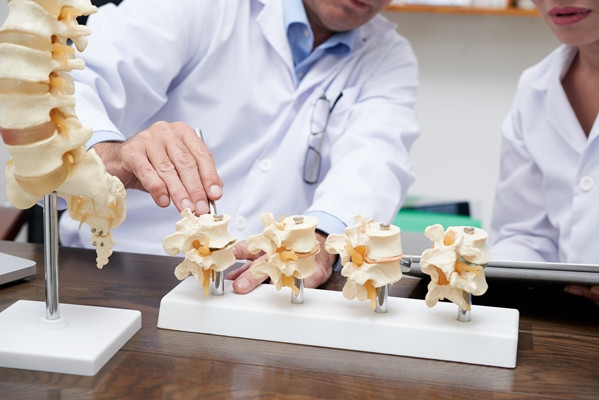
Image: Illustration (Source: Freepik)
References:
1. Hung K, Chiang M, Wu S, Chang Y, Ho C, Wang L, et al. A meta-analysis of randomized clinical trials on the impact of oral vitamin C supplementation on first-year outcomes in orthopedic patients. Scientific Reports 2021;11(9225).
2. Hart A, Cota A, Makhdom A, Harvey EJ. The role of vitamin C in orthopedic trauma and bone health. Am J Orthop (Belle Mead NJ).2015:306-11.