
Monkeypox in humans is caused by the monkeypox virus belonging to the genus Orthopoxvirus in the family Poxviridae, a double-stranded DNA (dsDNA) virus, first described in a nine-month-old infant in the Democratic Republic of the Congo in 1970.
Monkeypox virus is a human pathogenic virus. Although less lethal than smallpox, it can still cause significant morbidity and mortality. Several antivirals have a positive effect against monkeypox and other orthopox viruses, namely: cidofovir, brincidofovir, and tecovirimat. Cidofovir, and its prodrug brincidofovir, are DNA replication inhibitors with a broad spectrum of activity against many families of double-stranded DNA viruses.
Tecovirimat has more specific activity against orthopoxviruses, and inhibits the formation of extracellular envelope viruses required for cell-to-cell transmission. Tecovirimat has been shown to be effective in several animal models infected with orthopoxvirus, including monkeypox virus in macaque monkeys and wild dogs. Tecovirimat reduces the severity of the lesions even when administration is delayed. Administration of tecovirmate within 4-72 hours of exposure to the poxvirus has been shown to be effective in preventing death and reducing lesion severity in various animal models. Tecovirimat has been shown to reduce the spread of viruses from the vaccinia virus to distant tissues. Overall, tecovirimat is a promising agent in animal models for the treatment of monkeypox infection.
Phase I and II toxicity studies, tecovirimat demonstrated safety and were well tolerated. Due to poor water solubility, tecovirimat IV is reconstituted with beta-cyclodextrin. Although drug labeling recommends caution in patients with renal impairment, previous studies of formulations with beta-cyclodextrin, have not demonstrated significant toxicity of this solvent in patients with renal impairment. Furthermore, rapid IV infusion should be avoided, as rapid increases in Cmax in animal models result in reversible CNS toxicity, including ataxia, tremor, and lethargy.
Tecovirimat has been administered to human patients with infections caused by orthopoxviruses. Two patients caused monkeypox. The second patient received oral medication for two weeks starting five days after rash onset, made a full recovery without any treatment-related complications, and was discharged from the hospital after 10 days of hospitalization. One patient was immunocompromised and resistant to tecovirmate during treatment; but given BCV at the same time showed recovery. There are four ongoing registered clinical trials evaluating tecovirimate as an oral or intravenous formulation for orthopoxviral exposure, and its safety, tolerability and pharmacokinetics when administered for 28 days.
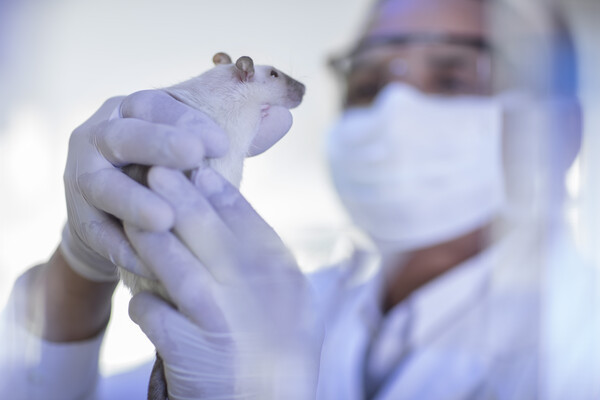
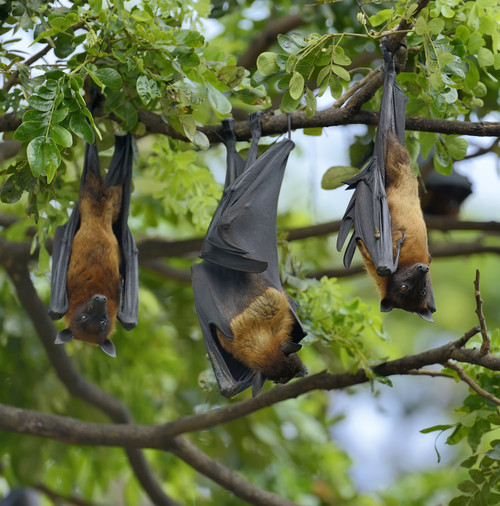
Image: Illustration (source: https://www.cidrap.umn.edu/)
References: Emily A Siegrist; Yusuf Sasin. Antivirus with Activity Against Monkeypox: A Clinically Oriented Review. Clinical Infectious Diseases, ciac622, https://doi.org/10.1093/cid/ciac622