Based on data from the Ministry of Health, as of March 1, 2024 there were nearly 16,000 cases of dengue hemorrhagic fever (DHF) in 213 regencies/cities in Indonesia, resulting in up to 124 deaths. The most cases of DHF occurred in Tangerang, West Bandung, Kendari City, Subang, and Lebak.
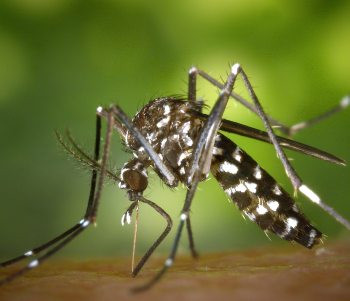
Dengue fever (DHF) is a disease caused by infection with the Dengue virus, which is transmitted by the bite of the Aedes aegypti mosquito. DHF is still a public health issue in Indonesia, and its spread rate in Indonesia is among the highest in Southeast Asia.
Dengue Fever Facts:
1. Not all mosquitoes can carry the Dengue virus. DHF is not transmitted directly between humans, but through female Aedes aegypti mosquitoes that transmit the Dengue virus by biting. Mosquitoes transmit the virus after biting a previously infected human.
2. Dengue fever has typical symptoms, namely a sudden high fever, reaching temperatures of up to 400C, which is followed by headache, weakness, pain behind the eyes, muscle and joint pain, to the appearance of a rash or red spots on the skin area, and even nosebleeds and mild bleeding of the gums.
3. The fever that occurs in DHF patients cannot be distinguished, so it is necessary to be vigilant and conduct examinations to health facilities if the fever does not go down.
4. There are several phases in DHF, namely the fever phase, the critical phase, and the healing phase, each of which has characteristics. When the fever decreases, if it enters the critical phase, there will be a disturbance in vital signs. However, if vital signs are good, it means that DHF has entered the healing phase.
5. Although DHF is curable, if not treated as early as possible, dengue shock syndrome (DSS) can occur which can cause death. Signs of DSS include persistent vomiting, severe abdominal pain, pale, cold and moist feet and hands (acral), weakened pulse, increased bleeding and decreased urine output.
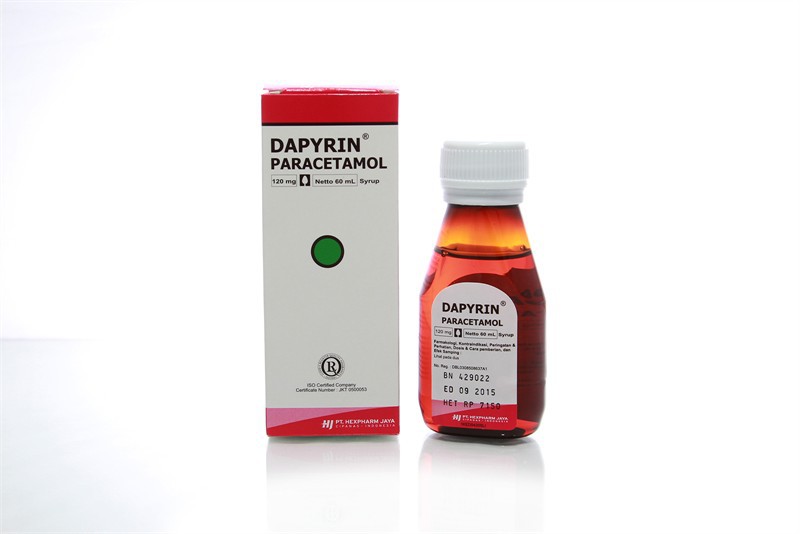
Treatment of DHF includes consuming plenty of fluids to prevent dehydration, either through oral fluids or intravenous fluids, if needed. Symptomatic medications such as fever reducers (e.g. paracetamol) and other medications may be given to relieve symptoms. Patients are advised to rest completely and apply body compresses to help with fever.
Prevention of DHF:
1. Draining water reservoirs, covering water containers, burying used items, keeping the house clean
2. Using lotion or mosquito repellent, using mosquito nets when sleeping
3. Spraying for mosquitoes or fogging
4. Using mosquito wire on house ventilation
5. Wearing closed and light-colored clothes
6. Dengue vaccination can also be done for children aged 9-16 years old to reduce the risk of incidence and severity of DHF.
If you experience symptoms of fever for more than 3 days and other symptoms of DHF, immediately seek medical attention for further treatment.
Image: Illustration
Reference:
1. Kementerian Kesehatan. Demam berdarah dengue [Internet]. [cited 2024 Mar 21]. Available from: https://ayosehat.kemkes.go.id/topik/demam-berdarah-dengue#:~:text=Pengertian-,Demam%20berdarah%20dengue%20(DBD)%20adalah%20penyakit%20yang%20ditularkan%20oleh%20gigitan,antara%20negara%2Dnegara%20Asia%20Tenggara.
2. Ramadityo D. Fakta-fakta penting seputar demam berdarah [Internet]. 2023 Jun 28 [cited 2024 Mar 21]. Available from: https://ayosehat.kemkes.go.id/fakta-fakta-penting-seputar-demam-berdarah.
3. BPOM. Penjelasan Badan POM RI terkait isu keamanan vaksin dengue (demam berdarah) [Internet]. 2018 Feb 07 [cited 2024 Mar 21]. Available from: https://www.pom.go.id/penjelasan-publik/penjelasan-badan-pom-ri-terkait-isu-keamanan-vaksin-dengue-demam-berdarah-2.