Valoctocogene roxaparpovec (AAV5-hFVIII-SQ) is an adeno-associated virus 5 (AAV5)-based gene therapy vector encoding B-domain-deleted human factor VIII driven by a hepatocyte-selective promoter.
After valoctocogene roxaparpovec is infused into the patient, the AAV5 vector conveys the deleted B-domain form of recombinant factor VIII to the cells. The factor VIII is then expressed in the liver which in turn produces the active form of factor VIII, which is released into the blood vessels.
In phase I-II studies, valactocogene roxaparpovec resulted in preserved endogenous factor VIII and decreased bleeding and factor VIII use for up to 5 years. A common side effect was elevated alanine aminotransferase levels, which generally occurred within 26 weeks of infusion and improved with glucocorticoid therapy.
The GENEr8-1 study was a phase III, open-label, single group, multicenter study conducted in patients with severe hemophilia A (factor VIII levels ≤ 1 IU/dL). Other inclusion criteria were being at least 18 years old and not having anti-AAV5 antibodies or a history of factor VIII inhibitors, and having received prophylaxis with factor VIII concentrate. Patients were infused with valoctocogene roxaparvovec 6 x 10¹³ vector genomes/kg. Factor VIII prophylaxis was continued for 4 weeks after infusion, then factor VIII was used if needed.
In total, 134 patients received the infusion and were followed up for more than 51 weeks. Among the 132 HIV-negative patients, the mean factor VIII level at weeks 49-52 increased by 41.9 IU/dL (95% CI 34.1-49.7; p < 0.001). Furthermore, among 112 patients from a prospective non-interventional study, the mean use of factor VIII concentrate and resolved bleeding after week 4 decreased by 98.6% and 83.8%, respectively (p < 0.001). A total of 16.4% of patients reported serious adverse events. Elevated ALT levels were observed in 85.8% and resolved with immunosuppressants. Other frequent side effects were headache (38.1%), nausea (37.3%), and elevated AST (35.1%). No factor VIII formation or thrombosis was observed.
At week 104, there were still 132 patients. The mean annual bleeding decreased by 84.5% from the baseline value (p < 0.001). From week 76 onwards, transgene-derived factor VIII activity showed first-order elimination kinetics; the half-life was estimated to be 123 weeks. With a transgene factor VIII level of 5 IU/dL, it was estimated that the patient had 1 episode of joint bleeding per year. At 2 years after infusion, no new safety signals were observed and no serious adverse events related to the new therapy were observed.
Conclusion:
This study showed that therapy with valoctocogene roxaparvovec preserved factor VIII activity and reduced bleeding for at least 2 years after gene transfer in severe hemophilia A patients. The joint bleeding risk model showed an association between transgene-derived factor VIII activity and bleeding episodes, which is similar to epidemiological data of mild to moderate hemophilia A patients.
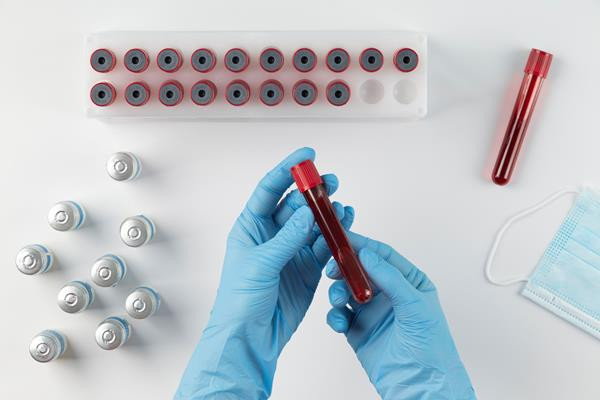
Image: Illustration (Source: Freepik)
References:
1. Mahlangu J, Kaczmarek R, von Drygalski A, Shapiro S, Chou SC, Ozelo MC, et al. Two-year outcomes of valoctocogene roxaparvovec therapy for hemophilia A. N Engl J Med. 2023;388:694-705.
2. Ozelo MC, Mahlangu J, Pasi KJ, Giermasz A, Leavitt AD, Laffan M, et al. Valoctocogene roxaparvovec gene therapy for hemophilia A. N Engl J Med. 2022;386:1013-25.