
A pain management approach that combines NSAIDs will reduce opioid use with the added benefit of reduced opioid side effects and a 30% reduction in postoperative nausea and vomiting (PONV).
Selective COX-2 inhibitors, including celecoxib, were developed to minimize drug-specific side effects. The use of COX-2 inhibitors in shoulder surgery has recently received attention as a specific part of orthopedic surgery. COX-2 inhibitors such as celecoxib can be an effective adjunct to the postoperative pain regimen for patients undergoing shoulder surgery, effectively reducing the need for opioids.
Dr Burns and a team from the USA conducted a clinical trial published in the Journal of Shoulde and Elbow Surgery 2020 evaluating how the impact of celecoxib postoperative arthrtoplasty on the need for opioid use. Patients who underwent total shoulder replacement (78, celecoxib 39, placebo 39) or rotator cuff repair (79, celecoxib 40, placebo 39) were randomized to either placebo or celecoxib, preoperatively (400 mg) and for 3 weeks postoperatively (2 x 400 mg). The parameter evaluated was the need to use opioids to treat pain measured by the morphine equivalent dose (MED).
As a result, the group receiving celecoxib required a significantly lower opioid dose (MED -168, 95% CI -272 to -64, p <0.01). From this clinical trial, it was found that the use of celecoxib 400 mg preoperatively, followed by 2 x 400 mg for 3 weeks after surgery, was useful in reducing the need for opioids for pain relief.
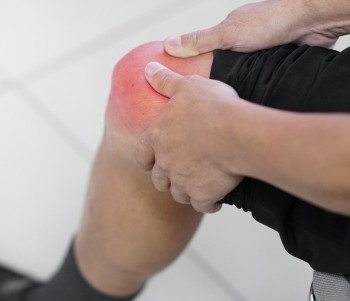
Image: Ilustrasi (source: www.houstonmethodist.org)
Reference: Burns KA, Robbins LM, LeMarr AR, Childress AL, Morton DJ, Schroer WC, et al. Celecoxib significantly reduces opioid use after shoulder arthroplasty. J Shoulder Elbow Surg. 2021 Jan;30(1):1–8.